
From the living room to the stadium
A football match used to ask for one kind of attention. Fans found a television, opened a bag of snacks, and waited for the kickoff. Today, the matchday experience travels across several screens. A supporter may watch a broadcast, check a lineup on a phone, compare live statistics, and discuss a decision in a group chat before the referee has finished signalling. The modern fan is not abandoning the game. The fan is building a more connected way to follow it.
That shift is especially clear around American football. The NFL combines long pauses, tactical changes, injury updates, and constant conversation, giving digital services many opportunities to make viewing more useful. The result is a matchday routine shaped by speed, personalisation, and information. It is also why football fans exploring nfl betting should think about technology and judgement together rather than treating a wager as a separate activity.
Why mobile design matters
The best mobile experiences remove friction without hiding important information. A fixture page should load quickly, display the relevant teams, and make it easy to move between a schedule, statistics, and live updates. Small screens reward clear hierarchy. A crowded interface can make a simple search feel like work, particularly when the pace of an event changes by the second.
BottleCrunch’s discussion of mobile-first entertainment captures a broader lesson: mobile design is not merely a smaller desktop layout. Touch controls, responsive menus, readable typography, and short paths to useful information all influence whether a fan stays engaged. For sports platforms, that means surfacing the context that matters now rather than presenting every available number at once.
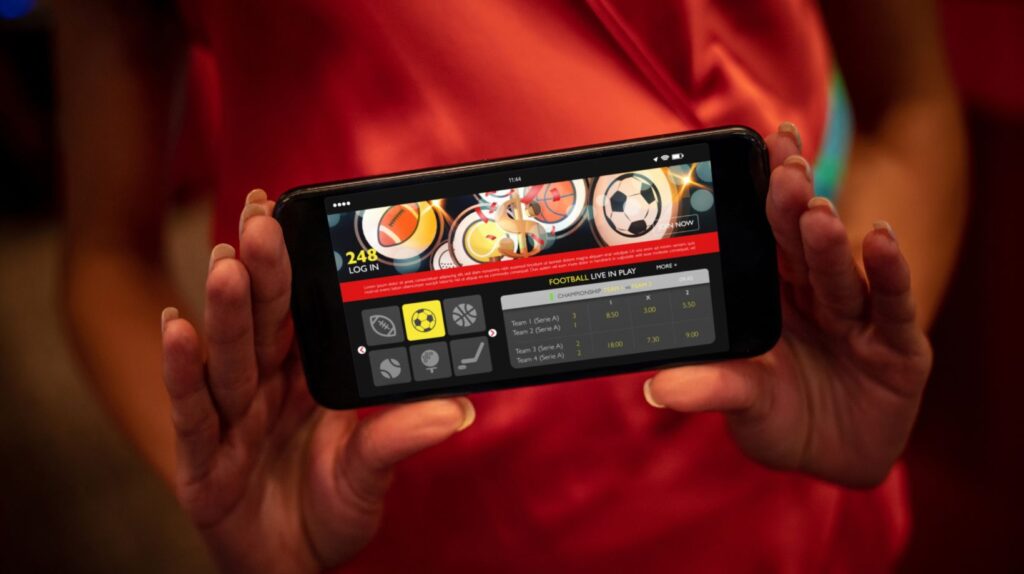
This principle also applies to betting interfaces. Live markets can change quickly, but speed should not encourage hurried decisions. A clean screen can show the market, the price, the rules, and the potential return without making the user hunt through promotional messages. Convenience is valuable only when it leaves room to understand what is being selected.
Smart venues create richer context
Technology is changing the physical matchday as well. Connected stadiums can combine ticketing, navigation, food ordering, replays, and crowd information in one digital environment. Sensors and networks can help operators manage queues while giving spectators timely updates. The conversation around smart stadiums shows how venues are becoming platforms rather than simple containers for a game.
For fans, the benefit is context. A supporter can learn why a defensive scheme changed, see how weather affects play, or compare a team’s recent performance while still watching the action. Data does not replace emotion; it gives emotion somewhere to go. A close game becomes a story with more layers, from a coach’s adjustment to a receiver’s route and the conditions that shaped both.
The same context helps anyone considering a sports wager. Injury reports, travel, weather, form, and coaching decisions may all influence a market, but none guarantees an outcome. Good digital tools organise evidence. They do not turn uncertainty into certainty. Treating a statistic as a promise is one of the quickest ways to confuse analysis with prediction.
Notifications should serve the fan
Personalisation can make a matchday feed feel remarkably useful. A supporter might follow one team, receive only injury updates, or see a reminder shortly before kickoff. The best systems offer those choices instead of assuming every alert deserves attention. They also distinguish editorial information from commercial prompts, so a fan can enjoy the match without feeling that every notification is asking for a transaction.
Trust is part of the experience
As more matchday activity moves online, security becomes just as important as speed. Fans may share account details, payment information, location data, and viewing preferences. Platforms need strong authentication, encrypted connections, clear privacy practices, and transparent terms. Users should be able to understand who operates a service and how their information is handled.
BottleCrunch’s look at secure online gaming reflects this change in expectations. A polished interface cannot compensate for unclear ownership or weak safeguards. Responsible operators also make limits, verification steps, and support resources visible before a user deposits or places a wager.
That transparency matters for football fans because excitement can narrow attention. Before using any betting feature, check local rules, read the market terms, and decide on a fixed entertainment budget. Never chase a loss or treat a live notification as an instruction. The safest experience is one where stopping is easy and the decision remains deliberate.
A more thoughtful way to follow the game
Matchday technology will keep becoming more personal. Wearables, predictive models, augmented reality, and faster networks may add new layers to the broadcast and the stadium. Yet the basic standard should stay simple: technology should help people understand the event, not pressure them into action.
For the modern NFL fan, that means using mobile tools to follow the schedule, investigate the story behind the numbers, and enjoy the community around the game. Betting can sit within that routine for adults who choose it legally and responsibly, but it should never replace the reason most people tune in: the uncertainty, strategy, and shared drama of football.