
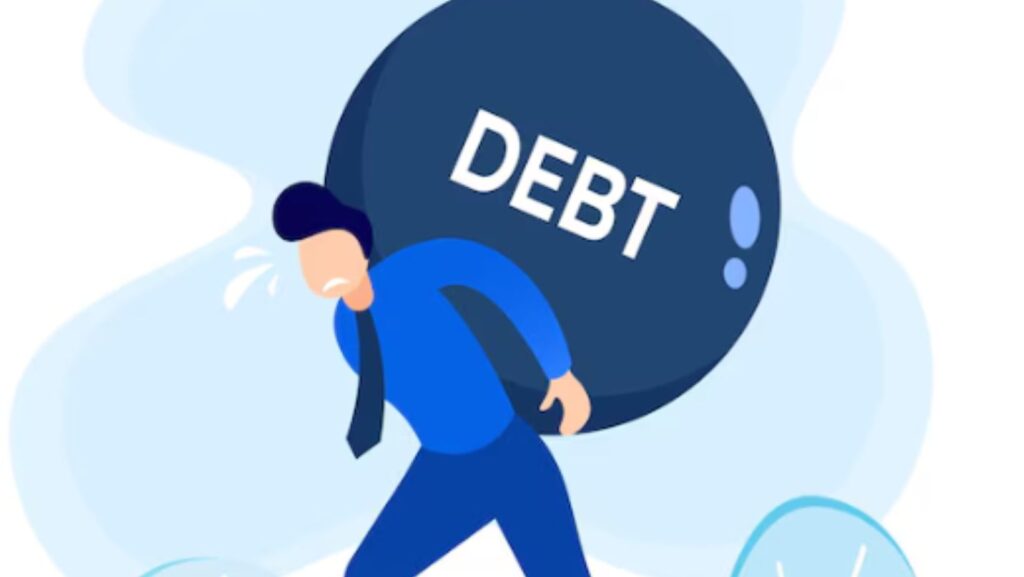
Have you ever felt that debt is not just about money, but also about habits?
Many people think debt relief is only about clearing balances. In reality, it can also be a turning point. When handled properly, debt relief can help you reset your financial routine and build stronger habits for the future.
Debt relief in Canada is designed to bring structure, clarity, and support. That structure often becomes the foundation for better long-term financial decisions.
How Debt Relief Creates Financial Awareness
One of the first things that happens during any formal debt relief process is a full review of your finances. Whether you are considering a consumer proposal Canada or bankruptcy Canada, the process starts with understanding your income, expenses, debts, and overall financial situation.
This review alone can be eye-opening. Many people have never written everything down in one place before. Seeing the full picture clearly helps you understand spending patterns and debt growth.
Awareness is the first step toward building better habits. When you know exactly where your money goes each month, you can make informed adjustments.
How Structure Replaces Uncertainty
Debt often creates stress because of unpredictability. Multiple due dates, rising interest, and growing balances make it hard to feel in control.
Formal debt relief replaces that uncertainty with structure. For example, a consumer proposal in Canada creates one fixed monthly payment over a defined timeline. The bankruptcy canada follows a regulated process with clear steps and expectations.
When your financial plan becomes structured and predictable, it becomes easier to budget. You know what you owe each month and how long the process will last. This consistency supports stronger financial discipline.
How Working With A Licensed Insolvency Trustee Builds Confidence
A licensed insolvency trustee plays an important role in helping you understand your options and guiding you through the process. Their job is not just to file paperwork. They help you review your financial habits and create a realistic plan.
When you speak with a licensed insolvency trustee, you receive clear explanations about budgeting, repayment options, and long-term planning. This professional guidance often gives people the confidence to take control of their finances again.
Confidence is important. When you feel informed and supported, you are more likely to follow through with healthy financial decisions.
How Budgeting Becomes A Priority
Most formal debt relief processes in Canada include financial counseling sessions. These sessions focus on practical topics such as budgeting, saving, and responsible credit use.
During counseling, you learn how to create a realistic monthly budget that reflects your income and essential expenses. You also learn how to track spending more carefully.
Over time, budgeting becomes less stressful and more routine. Instead of guessing where your money goes, you begin managing it intentionally.
How Debt Relief Encourages Responsible Credit Use
After completing a consumer proposal in Canada or bankruptcy in Canada, many people become more thoughtful about how they use credit.
Debt relief often changes the way you view borrowing. Instead of using credit casually, you start considering how repayment fits into your long-term budget.
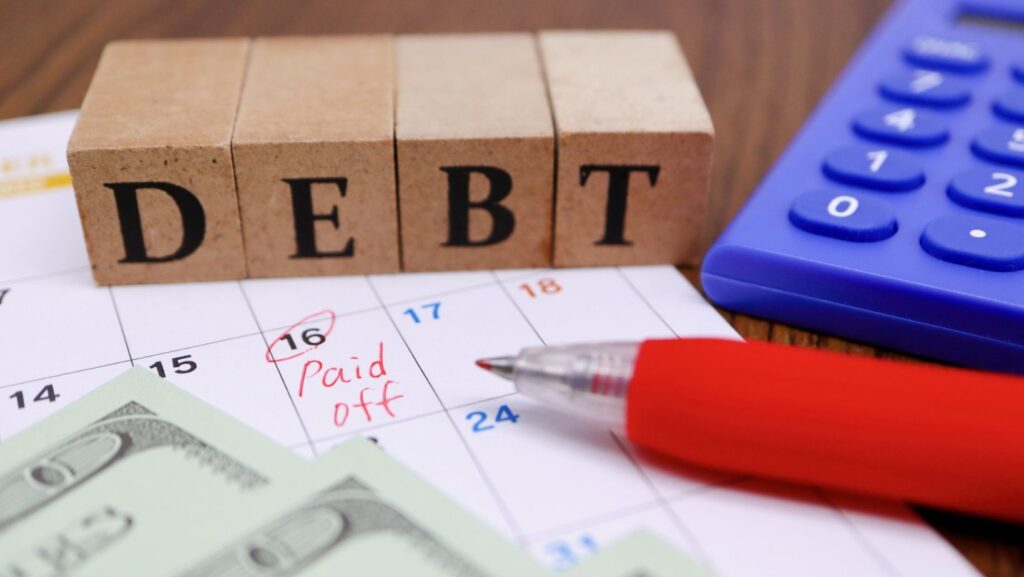
This shift in mindset supports stronger financial habits. Responsible credit use becomes part of your daily financial routine rather than something done without planning.
How Small Savings Habits Begin To Grow
Debt relief also creates space for small savings habits. Once high-interest debt is managed through a structured plan, many people begin setting aside small amounts each month.
Even modest savings can make a big difference. An emergency fund reduces the need to rely on credit when unexpected expenses happen.
Over time, consistent saving builds security and strengthens financial stability.
How Clear Goals Replace Financial Stress
One of the biggest changes people notice after starting debt relief is the reduction of constant financial worry. When you have a plan and timeline, your focus shifts from stress to progress.
Instead of thinking about how much you owe overall, you focus on making your structured payment and moving toward completion.
Clear goals support better habits. When you know what you are working toward, you are more motivated to stick with your budget and spending plan.
How Long-Term Stability Becomes The Focus
Debt relief is not only about solving today’s debt. It is about building a stable financial future.
Working with a licensed insolvency trustee helps you understand how to manage money more effectively. You learn about realistic budgeting, controlled spending, and careful borrowing.
Over time, these habits become part of your normal routine. Financial decisions become more thoughtful and less reactive.
Final Thoughts
Debt relief in Canada can be more than a solution for current debt. It can be the starting point for stronger financial habits. Through structured plans like consumer proposal Canada or bankruptcy Canada, and with guidance from a licensed insolvency trustee, you gain clarity, structure, and financial education. These elements work together to support better budgeting, responsible credit use, and steady savings.