
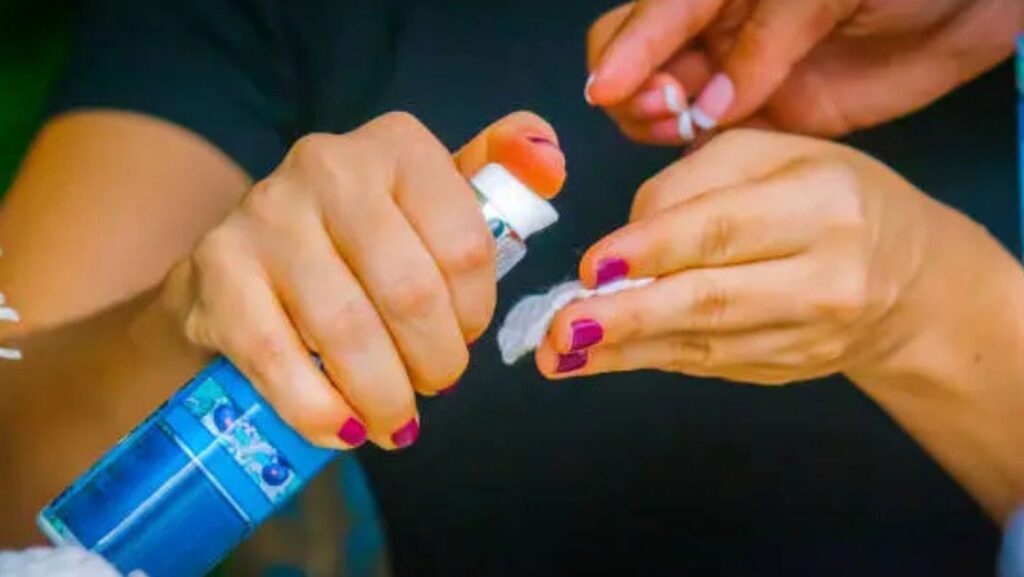
Modern wound care is no longer limited to simply covering an injury. Today, it focuses on creating an optimal healing environment while minimizing pain, skin damage, and complications. One essential yet often overlooked component of this process is the use of adhesive remover spray, a solution designed to make dressing changes safer and more comfortable. When used correctly, it can significantly improve both patient experience and healing outcomes.
Understanding Adhesives in Wound Care
Adhesives are a fundamental part of many wound care products, including bandages, tapes, and advanced dressings like foam or hydrocolloids. They ensure that dressings stay securely in place, protecting the wound from contamination and external trauma.
However, while adhesives are beneficial, they can also present challenges:
- Pain during removal
- Skin irritation or tearing
- Residue left on the skin
- Disruption of newly formed tissue
This is especially problematic for individuals with sensitive or fragile skin, such as elderly patients or those with chronic conditions.
What Is an Adhesive Remover Spray?
An adhesive remover spray is a specially formulated solution designed to dissolve or loosen medical adhesives without harming the skin. It is typically silicone-based, alcohol-free, and gentle enough for frequent use.
Unlike manual removal, which can pull on the skin and cause trauma, the spray works by breaking down the adhesive bond. This allows dressings to be removed smoothly and painlessly.
How Adhesive Remover Spray Works
The effectiveness of adhesive remover sprays lies in their chemical composition. Most formulations contain:
- Silicone compounds that coat and release adhesive bonds
- Non-stinging ingredients that prevent discomfort
- Quick-drying agents that leave minimal residue
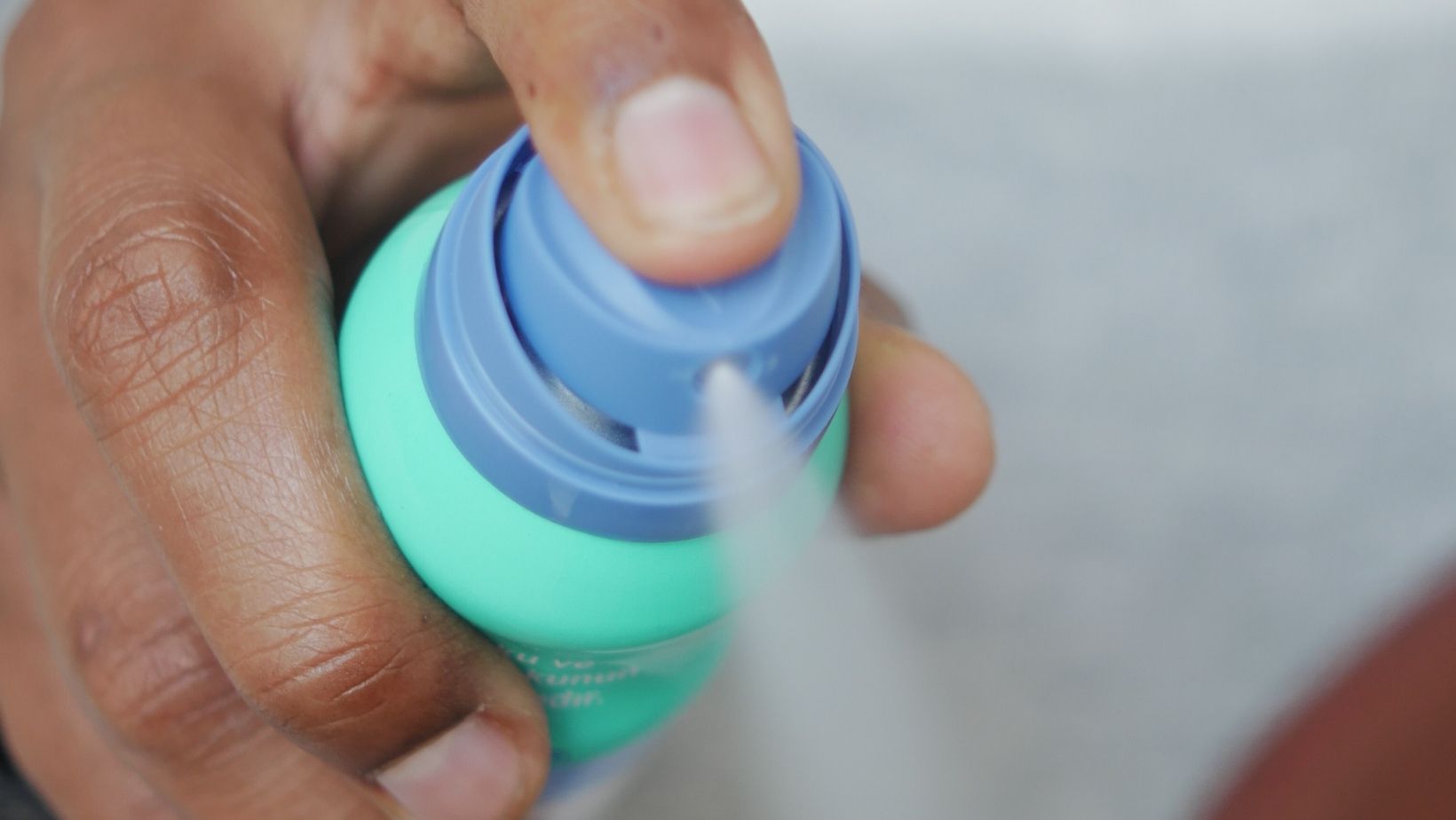
When sprayed onto the edge of a dressing, the solution penetrates between the adhesive and the skin. Within seconds, the bond weakens, allowing for easy removal.
Key Benefits of Using Adhesive Remover Spray
1. Pain-Free Dressing Removal
One of the most significant advantages is the reduction of pain. Traditional removal can be uncomfortable, especially for wounds that require frequent dressing changes. The spray minimizes pulling and friction.
2. Protection of Skin Integrity
Repeated removal of adhesive dressings can damage the outer layer of the skin, leading to irritation or even secondary wounds. Adhesive remover spray helps preserve skin health by reducing trauma.
3. Reduced Risk of Infection
By preventing skin tears and irritation, the spray lowers the chances of bacteria entering compromised areas.
4. Time Efficiency
The spray works quickly, making dressing changes faster and more efficient for both caregivers and patients.
5. Suitable for Sensitive Skin
Most adhesive remover sprays are hypoallergenic and safe for delicate skin, including pediatric and geriatric use.
When Should You Use Adhesive Remover Spray?
Adhesive remover spray is particularly useful in the following situations:
- Removing strong medical tapes or dressings
- Managing chronic wounds that require frequent changes
- Caring for patients with fragile or sensitive skin
- Preventing pain during post-surgical dressing removal
- Eliminating sticky residue left behind after dressing removal
It is also beneficial for individuals who experience discomfort or anxiety during dressing changes.
Step-by-Step Guide to Using Adhesive Remover Spray
To maximize effectiveness and safety, follow these steps:
- Prepare the Area
Ensure the patient is comfortable and the wound area is accessible. - Lift the Edge of the Dressing
Gently peel back a small corner to allow the spray to reach the adhesive layer. - Apply the Spray
Spray directly onto the adhesive edge. Allow a few seconds for it to penetrate. - Slowly Remove the Dressing
Continue spraying as needed while gently peeling the dressing away. - Clean the Skin
After removal, wipe away any remaining residue if necessary. - Proceed with Wound Care
Clean and redress the wound as recommended.
Comparing Adhesive Remover Spray to Other Methods
Manual Removal
This is the most common method but also the most problematic. It often leads to pain, skin irritation, and potential damage.
Adhesive Remover Wipes
Wipes offer similar benefits but may be less convenient for larger dressings or hard-to-reach areas.
Oil-Based Solutions
Some people use household oils, but these are not sterile and may interfere with wound care products.
Adhesive Remover Spray
Compared to alternatives, sprays provide:
- Even application
- Faster action
- Better coverage for large or irregular areas
- More hygienic use
Common Mistakes to Avoid
Even though adhesive remover sprays are easy to use, certain mistakes can reduce their effectiveness:
- Using too little product – This may not fully dissolve the adhesive
- Pulling too quickly – Always allow time for the spray to work
- Spraying directly into the wound – The product is intended for surrounding skin, not the wound bed
- Skipping skin cleaning afterward – Residue can affect new dressings
Being mindful of these points ensures better results and safer wound care.
Who Can Benefit the Most?
While adhesive remover spray is useful for anyone, certain groups benefit significantly more:
Elderly Patients
Aging skin is thinner and more prone to tearing. The spray minimizes damage during dressing changes.
Post-Surgical Patients
After surgery, the skin around incisions is sensitive. Gentle removal is crucial to avoid complications.
Individuals with Chronic Conditions
Conditions like diabetes or vascular diseases can slow healing. Protecting surrounding skin becomes even more important.
Pediatric Patients
Children may fear or resist dressing changes due to pain. A painless removal process can improve cooperation and comfort.
Integration with Advanced Wound Care Products
Adhesive remover spray is often used alongside modern dressings such as:
- Foam dressings
- Hydrocolloids
- Silicone-based dressings
- Transparent films
These products rely on strong adhesives for effectiveness, making a remover spray an essential companion.
Safety and Skin Considerations
Most adhesive remover sprays are designed with safety in mind, but it’s still important to:
- Check for allergies before use
- Avoid contact with eyes and open wounds
- Use in a well-ventilated area if recommended
- Follow manufacturer instructions
If irritation occurs, discontinue use and consult a healthcare professional.
Cost vs. Long-Term Benefits
Although adhesive remover spray adds an extra step to wound care, it offers long-term advantages:
- Prevents costly skin complications
- Reduces the need for additional treatments
- Improves overall patient comfort
- Enhances compliance with wound care routines
In many cases, the benefits far outweigh the cost.
The Psychological Impact of Pain-Free Care
Pain during dressing changes can create anxiety and stress, especially for patients requiring long-term care. By eliminating discomfort, adhesive remover spray contributes to:
- Better patient cooperation
- Reduced fear of treatment
- Improved overall well-being
This aspect is often underestimated but plays a crucial role in recovery.
Conclusion
Adhesive remover spray is a simple yet powerful tool in modern wound care. By enabling gentle, pain-free removal of dressings, it protects skin integrity, enhances comfort, and supports better healing outcomes.
Whether used in hospitals, clinics, or home care settings, it addresses one of the most common challenges in wound management—safe and effective dressing removal. As wound care continues to advance, incorporating supportive products like adhesive remover sprays ensures a more holistic and patient-centered approach to healing.
For anyone involved in wound care, from healthcare professionals to caregivers, understanding and utilizing this solution can make a meaningful difference in both experience and results.